

Website Redesign Strategy That Actually Ships
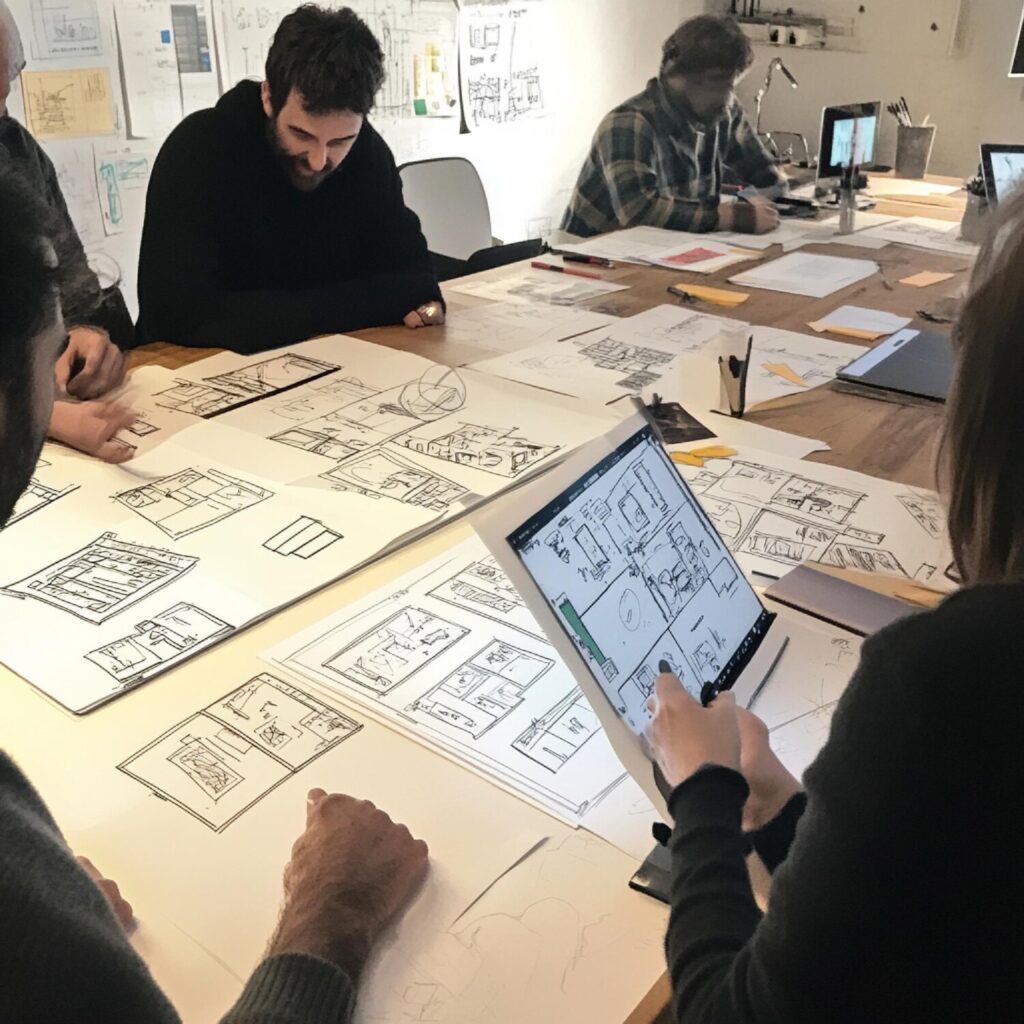
Most redesigns die of good intentions. Committees form, mood boards bloom, and demos dazzle—then the calendar and budget quietly revolt. A website redesign strategy is not a prettier homepage; it’s a disciplined way to de-risk change, fund the outcomes that matter, and leave your systems and teams healthier than you found them. I’ve led and rescued more than a few, and the pattern is always the same: clarity beats volume, decision speed beats consensus theater, and momentum beats perfection.
In practical terms, a credible approach starts with evidence, protects critical path decisions, and ensures you can ship increments that actually move numbers. It’s not glamorous. It is measurable. If you crave glossy before/after shots, this won’t be that. If you want a durable path to better conversion, faster delivery, and easier iteration, read on.
Website Redesign Strategy: What Decision-Makers Forget
Executives often conflate “redesign” with “repaint.” Visuals matter, but they don’t absolve slow pages, brittle integrations, or a content model that can’t flex with the business. The first miss is underestimating operational drag: ad hoc workflows, analytics you can’t trust, and a CMS that encourages one-off pages. A serious website redesign strategy faces these head-on, even if it’s less photogenic than a new hero banner.
Another blind spot: decision latency. Projects slip not because engineers can’t code but because choices linger. Pre-authorize a playbook for “good enough” decisions—how to pick patterns, when to escalate, who breaks ties. Documentation beats memory; rubrics beat debates. You’ll ship faster with fewer surprises.
Finally, remember the portfolio view. The website touches sales, support, recruiting, and brand. If none of those groups has budget or accountability in your plan, risk migrates to launch week. Bring them in early, assign measurable outcomes, and ensure the runway includes training, QA, and content readiness—not just code complete.
If you internalize anything from this section, make it this: aesthetics should ride shotgun to outcomes. A clean design with sluggish performance won’t lift conversion. A perfect Figma file won’t fix orphaned SKUs or orphaned analytics. Treat the website as a product, not a project, and your website redesign strategy immediately gets sharper.
Outcomes Over Outputs: Goals, Constraints, and Metrics
Set outcomes first, or every later argument becomes subjective. Define the business change you need: qualified pipeline, average order value, trial starts, self-serve help resolution. Then translate those into website metrics you actually control—task completion, funnel conversion, speed indexes, and content findability. Your goals must be falsifiable, measurable, and tied to real revenue or cost.
Constraints deserve equal ceremony. Identify legal, brand, security, accessibility, and platform boundaries you won’t cross. Constraints don’t kill creativity; they channel it. When trade-offs get heated, the constraint checklist is your moderator. Make it visible, and make it enforceable.
Metrics should mix leading and lagging signals. Don’t wait three months for pipeline reports to see if a checkout rewrite worked. Watch micro-conversions, scroll depth, and time-to-first-interaction in near real time. Pair those with qualitative checks—task-based tests and snippet-level copy validation—so you can detect why numbers move.
Instrument early. Stub analytics events in the first increment so you can see what’s breaking and what’s promising. If your telemetry is stale or unreliable, fix that before you scale. When you’re ready to go deeper on instrumentation and insights, align with a partner that lives in this data, like the analytics and performance work detailed at Analytics & Performance.
One more guardrail: codify a risk budget. Commit to experiments, but cap exposure. A sober website redesign strategy prizes reversible decisions and keeps an escape hatch open when a bet underperforms.
Evidence-Driven Discovery That De‑Risks Scope
Discovery is not a stakeholder wish list; it’s a diagnostic. Start by interrogating behavior. Pull funnel analytics, search logs, site speed reports, and error traces. Watch session replays to catch real friction. Correlate with support tickets and sales objections so research mirrors reality. You are curating confidence, not compiling artifacts.
Next, look under the hood. Inventory the content model, templates, third-party scripts, and critical integrations. Identify what can be salvaged versus retired. Map data flows for forms, identity, payments, and marketing automation. The more entangled your tech, the more your plan should budget for simplification. You’ll rarely regret deleting a dependency that never should have been there.
Then test assumptions with lightweight trials. Pilot a new navigation structure as a controlled A/B anywhere it’s safe to do so. Trial an alternative hero message on lower-traffic pages. Validate copy with quick task-based tests before you wire a whole system around it. For research that leads directly to build-ready insights, combine analytics, moderated tests, and instrumented prototypes.
Finally, align constraints with opportunities. If your CMS undermines structured content, plan for a model refactor during the rebuild. If your team dreads deployments, invest in CI/CD quality gates now, not after code freeze. The best website redesign strategy is a series of small, validated bets stitched into a coherent roadmap.
When discovery exposes integration landmines, don’t punt—budget for it. Systematic automation and clean handshakes across tools can be scoped with partners experienced in connecting platforms; see Automation & Integrations for the kind of work that keeps marketing fast without making engineering miserable.
Building a Website Redesign Strategy Roadmap
Roadmaps should preserve options while committing to outcomes. Instead of a monolith, define increments that are valuable on their own: a speed-focused performance sprint, a navigation update, a checkout refactor, a new pricing page, and a structured content migration by template. Each increment must include acceptance criteria tied to the metrics you set earlier.
Sequence for impact and risk reduction. Performance and analytics foundations pay off across everything else, so pull them forward. Content modeling should precede visual polish. In e-commerce, cart and checkout research often deserves its own track because improvements there compound revenue fast. Your website redesign strategy becomes less risky when the roadmap makes dependencies explicit.
Make decisions visible. Maintain a one-page “decision register” that records the choice, options considered, owners, rationale, and date. It spares you from re-litigating old debates and accelerates onboarding when new voices join midstream.
Budget for two things execs frequently skip: content operations and enablement. A high-velocity site needs templates, governance, and training so non-technical teams can ship without pinging engineering for every comma change. If you need help establishing a durable base, the team services at Website Design & Development can provide a pragmatic pattern library and editorial workflow that won’t fall apart under real use.
Close with a contingency cushion and a kill switch per increment. Nothing protects trust like the ability to pause a bet that isn’t paying off, then reallocate capacity to what is.
Architecture Choices: CMS, Headless, and E‑commerce
Architecture follows content and operations, not the other way around. If you publish frequently, need multichannel reuse, and care about page speed, headless often wins. If governance is light and your team prefers an all-in-one authoring experience, a modern monolith may be perfectly sensible. The right call blends business cadence, developer ergonomics, and integration complexity.
For commerce-heavy sites, your platform should serve your catalog structure and checkout requirements first. Composability helps you pick best-in-class search, promotions, and payments without overcommitting to a single vendor. But composability is not a strategy on its own; you still need guardrails for release management, observability, and cost control. When decisions require a custom fit, engage specialists who live with these trade-offs daily—see Custom Development and E‑commerce Solutions for patterns that avoid accidental complexity.
Integration posture matters as much as the platform. Plan for identity, analytics, marketing automation, and ERP/OMS connections from day one. Favor event-driven designs and contract tests so swapping vendors later won’t torch your roadmap. A durable website redesign strategy considers the cost to change, not just the cost to build.
Finally, treat performance as a requirement, not a phase. Set budgets for bundle size, image weight, third-party tags, and render-blocking resources. Tie them to CI gates that reject regressions. You’ll win SEO, conversion, and user trust in one stroke.
Experience, Content, and Brand Work That Converts
Great UX is the result of crisp decisions about tasks and trade-offs, not just a beautiful palette. Start with information architecture that mirrors how customers think, not how your org chart is drawn. Map top tasks and align navigation, search, and content types around them. When in doubt, fewer choices are better than many indistinguishable ones.
Content is a product. Structure it so you can reuse fragments (benefits, specs, FAQs, CTAs) across pages without duplication. That implies a content model and a publishing workflow designed for speed. If your team needs a firm foundation for templates, patterns, and interaction design, partner with a group that blends craft with delivery, like Website Design & Development.
Brand and credibility cues do heavy lifting. Social proof near CTAs, clear pricing, and unambiguous policies reduce friction. Visual identity should support readability and hierarchy before ornamentation. When a brand update is part of the program, engage identity specialists who won’t sacrifice usability; see Logo & Visual Identity for pragmatic approaches that translate to components, not just PDFs.
Don’t forget the microcopy. Clarity beats cleverness at the exact moment someone is anxious about a card form or a trial signup. A serious website redesign strategy treats microcopy as a lever to reduce uncertainty and increase completion.
Finally, test your way into certainty. Lightweight usability tests paired with analytics will reveal where design intent and user reality diverge. You’ll avoid redesign roulette and build confidence increment by increment.
Execution Model: Teams, Cadence, and Accountability
How you work will define how fast you ship. Cross-functional pods—design, engineering, content, QA, and product—reduce handoffs and finger-pointing. Decision rights must be explicit, with a single accountable owner for each increment. Weekly demos make progress visible and prevent surprises.
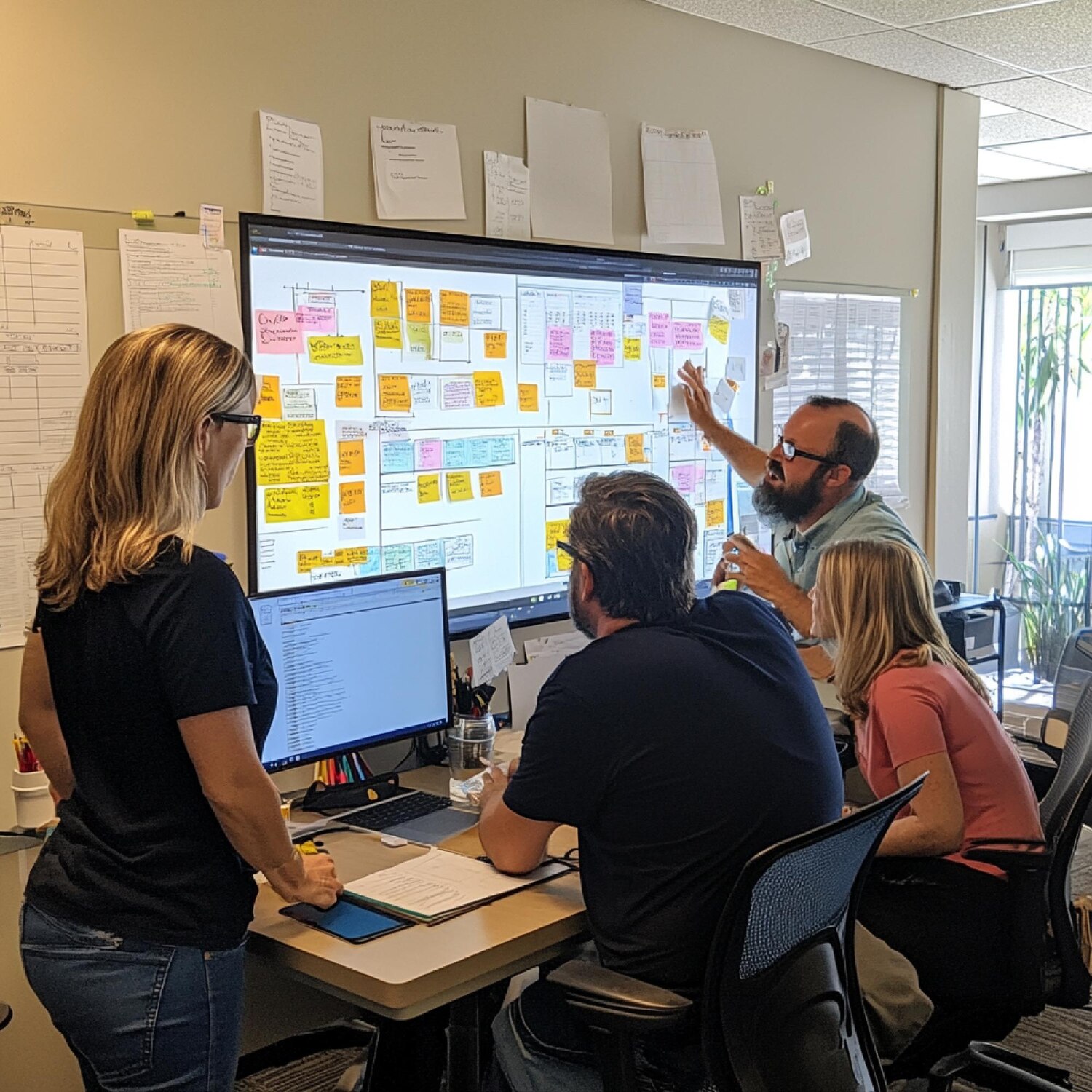
Cadence should be rhythmic and sober. Two-week sprints with a monthly release train keeps pressure on quality while preserving momentum. Integrate performance checks and accessibility audits into Definition of Done so quality isn’t deferred. If your deployments are stressful, automate what hurts and raise the floor with preflight checks. Practical automation help is outlined at Automation & Integrations.
Governance keeps you out of committee purgatory. A steering group sets outcomes and budget but doesn’t micromanage increments. Working groups own execution and present trade-offs with data. When decisions stall, use a tie-break protocol that favors reversible choices and time-boxes debate.
Hiring and partnering choices matter. If your core team lacks specific skills—complex migrations, performance engineering, e‑commerce flows—bring in specialists for the risky parts instead of over-staffing everywhere. A robust website redesign strategy is honest about what your team can carry without burning out.
Lastly, protect morale. Celebrate increments that hit their metric, and run blameless postmortems when they don’t. Nothing fuels delivery like teams who feel trusted and unblocked.
Migration and Launch Without the 2 a.m. Fire Drill
Most launch drama is preventable. Start with a content migration plan that’s mechanical, not heroic. Inventory current pages, map them to new templates, and define redirects before anyone touches DNS. Automate extraction and transformation wherever possible so your editors aren’t pasting into forms at midnight.
Dry runs are your friend. Stand up a staging environment with production-like data and integrate analytics, tag managers, and consent tools there first. Practice the go-live sequence with a rollback plan you’ve actually tested. A calm launch is a function of rehearsals, not luck.
Redirect strategy deserves its own checklist. Map high-traffic URLs with human review, then programmatic rules for the rest. Monitor 404s and soft 404s live during launch week. Fix them fast, and search engines will follow your lead. A disciplined website redesign strategy treats redirects like contracts with customers and robots alike.
Don’t skimp on performance at launch. Pre-generate critical pages, optimize images, and defer nonessential scripts. Establish real-time monitoring for uptime and Core Web Vitals so you can catch regressions early. If commerce is involved, load-test checkout in production-like conditions with feature flags ready to dial back non-essential features.
After DNS cutover, freeze non-critical changes for a few days. Let data settle, fix the top issues, and communicate clearly with stakeholders about what’s next. Calm beats chaos every time.
Measurement, Iteration, and Change Management
Launch is the starting line. Keep a rolling scorecard with the outcomes you set: conversion by segment, task completion, load times, and support deflection. Pair that with a weekly “insights and actions” ritual—two slides, ten minutes, one decision. The discipline matters more than the tool.
Experiment thoughtfully. Not every question needs a randomized trial, but when stakes are high, treat A/B testing as a first-class citizen with guardrails for sample size and duration. Focus on changes you can explain, not just ones that nudge a vanity metric. Instrumentation detail and performance monitoring should evolve alongside your roadmap; for help building a durable measurement spine, align with Analytics & Performance.

Change management is the unglamorous hero. Train editors and marketers on the new workflows, not only the new UI. Publish playbooks for creating pages, launching campaigns, and handling redirects. Keep a public changelog so stakeholders see momentum and know when to expect change.
As patterns stabilize, document them in a living system library with code, usage examples, and content guidelines. Designers get consistency, engineers get reuse, and editors get confidence. That compounding effect is how a website redesign strategy turns from a one-time event into a repeatable operating model.
Finally, keep the backlog honest. Retire ideas that no longer matter, elevate ones with evidence, and protect capacity for refactors that reduce future pain. Iteration is only sustainable when you invest in the platform as much as the pages on it.
Risk, Compliance, and Accessibility as Accelerators
Risk work accelerates you when it’s built-in, not bolted on. Treat privacy, security, and accessibility as product requirements with owners and budgets. You’ll move faster because you won’t be refactoring sensitive flows after the fact or negotiating with legal on the eve of a launch.
Accessibility is a trust multiplier. Bake WCAG standards into your design system and test with automated tools plus human audits. Clear focus states, semantic markup, and keyboard navigation aren’t extras; they’re table stakes. Faster sites with clear content help every user, not just those with assistive technologies.
Compliance becomes manageable when you reduce novelty. Prefer vetted components and patterns over bespoke experiments in sensitive areas like forms, payments, and consent. Create a small set of approved flows and update them centrally. You’ll save time and reduce risk without sacrificing brand expression.
Document the risk posture for each increment: what’s changing, what’s not, and the rollback plan. The more you normalize this discipline, the less intimidating change becomes. A durable website redesign strategy treats risk like any other requirement—measured, owned, and accounted for in the roadmap.
None of this slows creativity. It frees it by keeping the boring parts boring, so your team can focus on the work customers actually feel.